Spring Pasta: A Fresh, Cozy Pasta for Sunny Moments
A warm kitchen memory
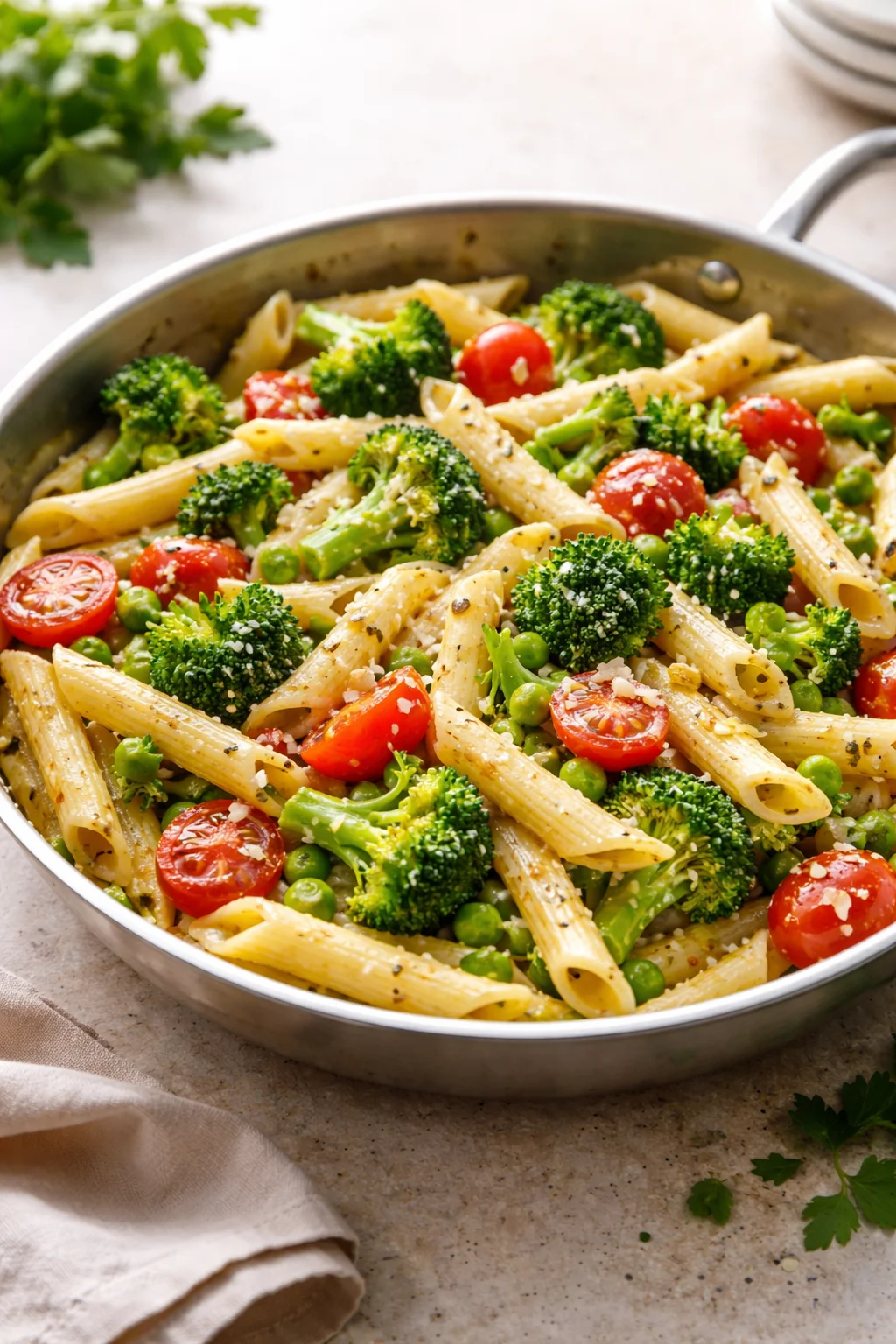
Steam curls up from a pot of pasta and the first scent of lemon and basil makes everyone move a little closer. This Spring Pasta is the kind of homemade meal that arrives like a hug — bright, comforting, and somehow celebratory even on a weeknight. I first tossed this together on a rainy May afternoon when the market stalls overflowed with peas and asparagus; the simple mixture of tender pasta, spring vegetables, and a whisper of cream felt like sunshine on the tongue. If you love simple, joyful family recipe moments, you will find this dish both an easy crowd-pleasing quick dinner idea and a festive treat for small gatherings. If you want a vegetarian riff, try this vegetarian pasta primavera for extra inspiration.
Why You’ll Love This Spring Pasta
- Bright, seasonal flavors: lemon, peas, asparagus, and basil come together for a memorable bite.
- Fast and fuss-free: perfect as a quick dinner idea when you want something homemade but speedy.
- Versatile comfort food: lighten it for a healthy option or add cream and cheese for indulgent moments.
- Budget-friendly: uses pantry staples and a handful of fresh produce — a true family recipe for everyday joy.
- Crowd-pleasing: serves well at casual dinners or as a festive treat at a brunch.
Ingredients
- 12 ounces pasta (fettuccine, penne, or farfalle) — choose whole wheat for a healthy option.
- 2 tablespoons olive oil, plus extra for finishing — use good-quality for the best aroma.
- 2 cloves garlic, thinly sliced — swaps: 1 shallot finely chopped for a sweeter note.
- 1 cup fresh or frozen peas — frozen works beautifully when fresh aren’t available.
- 1 bunch asparagus, trimmed and cut into 1-inch pieces — swap spinach with kale for a stronger flavor.
- Zest and juice of 1 lemon — the bright soul of this dish.
- 1/2 cup grated Parmesan cheese, plus more for serving — Pecorino Romano adds a tangy edge.
- 1/4 cup heavy cream or 1/2 cup ricotta for a lighter, creamy texture — optional for indulgent dessert-worthy creaminess.
- 1/4 cup chopped fresh basil (or parsley) — basil keeps it truly springlike.
- Salt and freshly ground black pepper to taste.
- Red pepper flakes to taste for a gentle kick.
Prep and Cook Time
- Prep time: 10 minutes — chop, zest, and measure while the water comes to a boil.
- Cook time: 12–15 minutes (pasta and quick sauté) — truly a quick dinner idea.
- Total time: 25 minutes — fast enough for weeknights, elegant enough for weekend guests.
- Make-ahead note: cook pasta al dente and toss with a splash of olive oil; finish the sauce just before serving.
Step-by-Step Instructions
- Bring a large pot of salted water to a rolling boil and cook the pasta until just al dente, following package directions. Reserve 1 cup of pasta cooking water, then drain. You want the pasta to have a slight bite because it will finish in the sauce.
- While the pasta cooks, heat 2 tablespoons of olive oil in a large skillet over medium heat. Add the sliced garlic and sauté until fragrant and pale golden; the oil will smell warm and nutty. Be careful not to let it brown too much.
- Add the asparagus pieces and a pinch of salt. Sauté for 3–4 minutes until they turn bright green and begin to soften. Toss in the peas and cook for another 1–2 minutes; the peas should pop with sweetness when bitten.
- Turn the heat down to low. Stir in lemon zest and juice, then add the cream or ricotta if using. The sauce should be glossy and cling to the vegetables. If it feels dry, add a splash of the reserved pasta water to loosen it.
- Add the drained pasta to the skillet and toss to combine. Sprinkle in the grated Parmesan and chopped basil, adding more pasta water a little at a time until the sauce becomes silky and coats every strand. Taste and season with salt, pepper, and red pepper flakes.
- Serve immediately with extra Parmesan, a drizzle of olive oil, and a scattering of basil. The finished dish should smell of lemony brightness with a creamy, comforting finish.
Variations and Twists
- Protein boost: add grilled chicken, shrimp, or crispy pancetta for an indulgent main.
- Vegan version: use dairy-free cream, nutritional yeast instead of Parmesan, and olive oil for richness — still a satisfying healthy option.
- Grain swap: try whole-grain pasta, chickpea pasta, or zucchini noodles for gluten-free or lighter versions.
- Herb-forward: replace basil with mint for an unexpected, fresh twist that pairs beautifully with peas.
- Festive treat: toss in blanched artichoke hearts and lemon-thyme for a springtime party plate.
Serving Suggestions
Serve Spring Pasta in shallow bowls so the delicious sauce pools beneath the pasta — sprinkle with more cheese and a final grind of black pepper. Pair it with a crisp green salad and a chilled glass of white wine or sparkling water with lemon slices for a light, convivial meal. For a cozy family dinner, add warm crusty bread to mop up every last bit of sauce; for a holiday brunch, present it in a large platter and let everyone help themselves.
Storage and Reheating
- Refrigerate leftovers in an airtight container for up to 3 days.
- To reheat, warm gently in a skillet over low heat with a splash of water or cream to revive the sauce — do not overheat, which can dry the pasta.
- Freezing is not recommended for the creamier version (texture changes), but you can freeze vegetables and sauce separately for up to 2 months; thaw and toss with freshly cooked pasta.
Kitchen Tips for Success
- Salt your pasta water well — it seasons the pasta from within and balances the whole dish.
- Reserve pasta water: its starchiness is magic for creating a silky sauce that clings to pasta.
- Keep vegetables slightly crisp: they should be bright and tender, not limp. Quick blanching or sautéing preserves texture and color.
- Fresh lemon zest makes a world of difference — zest before juicing to capture all the aroma.
- Taste and adjust at the end: a little extra cheese, lemon, or salt can lift the entire dish.
FAQs
Q: Can I make this Spring Pasta ahead of time?
A: Yes — cook pasta slightly under al dente and toss with a little olive oil. Store separately from sauce, then finish in a hot pan with the sauce for best texture.
Q: What can I substitute for Parmesan if I’m vegetarian or dairy-free?
A: Nutritional yeast provides a savory punch for a vegan swap, or use a vegetarian hard cheese as an alternative.
Q: How many does this recipe serve?
A: This recipe serves 4 as a main course or 6 as a lighter side — perfect for a family recipe night.
Q: Can I add protein?
A: Absolutely. Grilled chicken, seared shrimp, or crispy tofu make excellent additions and transform it into a heartier meal.
A final note
Cooking Spring Pasta is like catching the season on your plate — it’s bright, quick, and full of the small comforts that become lasting memories. Invite a friend, set the table, and let the lemon and basil do the rest. For a beautiful, similar inspiration that celebrates seasonal vegetables and playful pasta arrangements, check out this delightful Pasta Primavera Recipe – Love and Lemons.
Spring Pasta
Ingredients
Method
- Bring a large pot of salted water to a rolling boil and cook the pasta until just al dente, following package directions. Reserve 1 cup of pasta cooking water, then drain.
- You want the pasta to have a slight bite because it will finish in the sauce.
- While the pasta cooks, heat 2 tablespoons of olive oil in a large skillet over medium heat.
- Add the sliced garlic and sauté until fragrant and pale golden; be careful not to let it brown too much.
- Add the asparagus pieces and a pinch of salt. Sauté for 3–4 minutes until they turn bright green and begin to soften.
- Toss in the peas and cook for another 1–2 minutes; the peas should pop with sweetness when bitten.
- Turn the heat down to low. Stir in lemon zest and juice, then add the cream or ricotta if using.
- If it feels dry, add a splash of the reserved pasta water to loosen it.
- Add the drained pasta to the skillet and toss to combine.
- Sprinkle in the grated Parmesan and chopped basil, adding more pasta water a little at a time until the sauce becomes silky and coats every strand. Taste and season with salt, pepper, and red pepper flakes.
- Serve immediately with extra Parmesan, a drizzle of olive oil, and a scattering of basil.
- The finished dish should smell of lemony brightness with a creamy, comforting finish.